
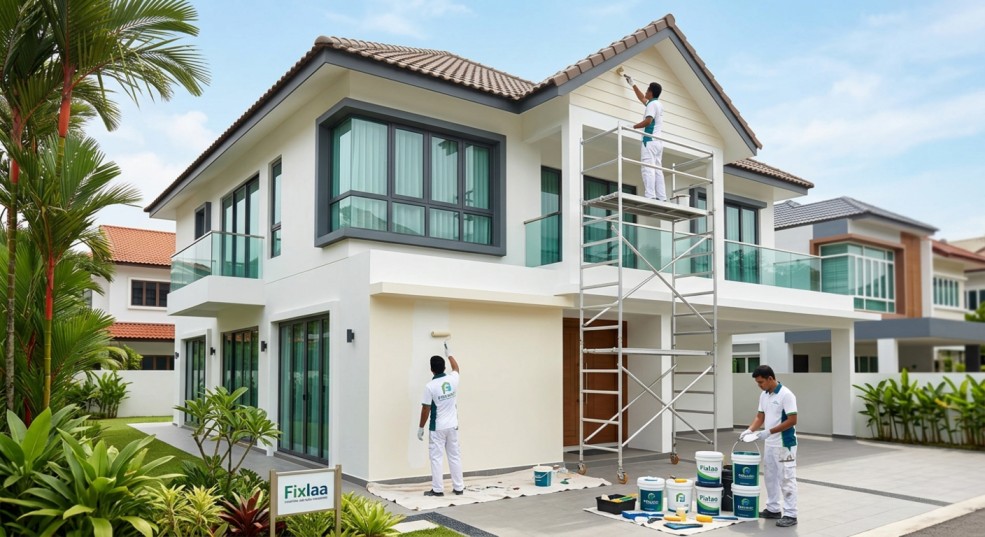
Owning a landed property in Singapore—whether it’s a terrace, semi-detached, or a sprawling bungalow—is a significant investment. Unlike high-rise apartments, the responsibility for the building’s facade rests entirely on the owner. Given Singapore’s relentless tropical climate, characterized by scorching UV rays and torrential monsoon rains, choosing the right exterior paint is not just about aesthetics; it is about structural preservation.
In this comprehensive guide, we explore the best exterior paint options available in 2026, the technical requirements for tropical durability, and how professional Painting Services Singapore can help you maintain your home’s value.
1. Why Exterior Paint Choice is Critical in Singapore
The exterior walls of a landed house are its first line of defence. In Singapore, the environment is particularly “aggressive” toward building materials for several reasons:
- UV Degradation: Constant exposure to high UV radiation breaks down paint polymers, leading to chalking and fading.
- Humidity and Algae: With humidity levels often exceeding 80%, exterior walls are breeding grounds for algae, mold, and lichen.
- Thermal Expansion: The heat causes building materials to expand and contract. Without “elastomeric” properties, paint will crack, allowing water to seep into the concrete.
2. Top-Rated Exterior Paints for 2026
When looking for the best performance, several brands have formulated products specifically for the Southeast Asian climate.
- Key Feature: The film is twice as thick and flexible as standard exterior paint, acting like a protective skin.
- Best For: Older landed properties that may have developed minor settling cracks.
C. Jotun Jotashield
Jotun is often the choice for luxury landed properties due to its superior color permanence. The Jotashield Extreme offers twice the UV protection of standard paints.
- Key Feature: Anti-watermark technology that prevents unsightly streaks after heavy rain.
- Best For: Modern architectural designs with flat surfaces where water run-off is visible.
3. Key Features to Look For
When browsing catalogs or consulting with a specialist, prioritize these four technical specifications:
1. Dirt Pick-Up Resistance (DPUR): This ensures that dust and pollution don’t bond with the paint film, allowing rain to wash the walls clean.
2. Elastomeric Properties: This refers to the paint’s “stretchability.” A flexible paint film prevents water ingress through micro-cracks.
3. Low VOC and Eco-Friendly: With growing environmental awareness, choose paints with the “Singapore Green Label.”
4. Heat Reflectance: Paints that reflect heat can lower indoor temperatures by up to to , reducing air-conditioning costs.
4. The Importance of Professional Application
You could buy the most expensive paint in the world, but if the surface preparation is poor, the paint will peel within two years. This is why engaging reputable Painting Services Singapore is essential.
Professional painters follow a strict protocol:
- High-Pressure Water Jetting: Removing old, flaky paint and biological growth.
- Patching and Sealing: Using industrial-grade fillers for cracks.
- Priming: Applying a high-quality “sealer” coat to ensure the topcoat adheres correctly to the alkaline concrete.
5. Beyond the Walls: Interior Integration
While focusing on the exterior is vital, many landed house owners combine facade renewals with interior upgrades. For instance, if you are experiencing leaks or water damage on upper-floor ceilings, it might be time to consult a False Ceiling Contractor in Singapore.
A false ceiling doesn’t just hide electrical wiring or AC ducts; it can provide an additional layer of thermal insulation. If your exterior paint is reflecting heat and your false ceiling is insulated, your home’s energy efficiency improves drastically. Integrating these services ensures that the “shell” and the “interior” of your home work together to provide comfort.
6. Colour Trends for Landed Houses in 2026
While classic white and off-white remain popular for their heat-reflective properties, we are seeing a shift toward:
- Warm Earth Tones: Terracotta, muted olives, and sandy beiges that blend with garden landscapes.
- Modern Greige: A mix of gray and beige that looks sophisticated under Singapore’s bright light.
- Charcoal Accents: Using darker colours for gate pillars or window frames to create a sharp, contemporary contrast.
7. Maintenance Tips for Longevity
To make your paint job last the full 5 to 7 years:
- Trim Vegetation: Ensure tree branches or shrubs are not rubbing against the walls, as this creates moisture traps.
- Clean Gutters: Overfowing gutters lead to water cascading down the walls, causing premature staining.
- Annual Inspection: Look for signs of bubbling or “efflorescence” (white powdery deposits) which indicate internal leaks.
By partnering with experienced Painting Services Singapore providers and coordinating with a reliable False Ceiling Contractor in Singapore, you can achieve a stunning and long-lasting transformation for your home. Invest wisely in quality materials and professional services to ensure your landed property remains beautiful and well-protected for years to come.
FAQ
1. What is the best exterior paint for Singapore weather?
Acrylic and elastomeric paints are the best choices due to their durability and weather resistance.
2. How often should I repaint my landed house?
Typically, every 5–7 years, depending on paint quality and environmental exposure.
3. Can I paint my house myself?
While possible, hiring professional Painting Services Singapore ensures better results and durability.
4. What is the average cost of exterior painting?
Costs vary based on house size and paint type, but professional services offer better long-term value.
5. Is waterproof paint necessary?
Yes, waterproof paint helps protect walls from moisture and prevents damage.